
934.5K
Downloads
188
Episodes
World-renowned aviation-industry consultants and former NTSB investigators John Goglia and Greg Feith have 100 years of worldwide aviation safety experience between them. In this hard-hitting podcast series they talk about everything aviation -- from the behind-the-scenes facts on deadly air crashes to topics of interest such as tips and tricks for navigating through airports and security, traveling with infants and children, unruly passengers, and packing your bags to ease through security.
Episodes
Dec 8, 2021
Dec 8, 2021
39 min
Episode 97
A number of accidents happened Thanksgiving weekend, a trend that needs to be changed. Greg and John offer several flight safety tips for general aviation pilots planning holiday travel.
Listen to make sure you’re planning for the safest trip possible. John and Greg cover the importance of preflight planning, factoring in weather en route, dealing with icing conditions and more.
The Flight Safety detectives also share listener emails and tease plans for 2022. They invite more listener input to make the show a valuable resource for everyone interested in aviation safety.
Dec 1, 2021
Dec 1, 2021
45 min
Episode 96
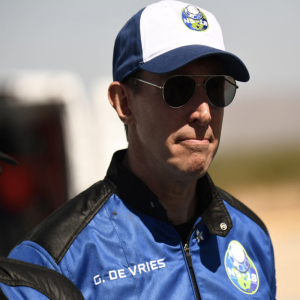
Safety training for the aviation community isn’t effective and needs an overhaul. Greg and John drive home this point by talking about the high rate of fatal accidents in November. Particular focus is on the accident that killed Blue Origin crew member Glen de Vries.
“We’re not reaching pilots and the aviation community with effective safety training,” John says. Greg adds that people don’t read manuals or safety material available from the FAA and NTSB.
Recent accidents involve a range of general aviation planes. Most wreckage is removed and stored for later evaluation, adding concerns that volatile evidence is being lost.
Recommendations to improve safety are slow coming in recent years. When safety findings are issued, the format isn’t effectively sharing the information.
Nov 24, 2021
Nov 24, 2021
39 min
Episode 95
Several accidents caused by icing reveal safety information that pilots need to know. As we head into a time when icing can be common, John, Greg and Todd want to be sure everyone avoids the mistakes other pilots have made.
“Icing has greater impact on general aviation aircraft than commercial planes. It is important to be prepared for icing incidents,” Greg says.
In this episode the Flight Safety Detectives focus on one general aviation icing event and relate it to lessons learned from other accidents involving icing. The takeaways benefit all pilots. They dig beyond the stated NTSB findings to highlight how pilots need to prepare for icing and how to manage the situation.
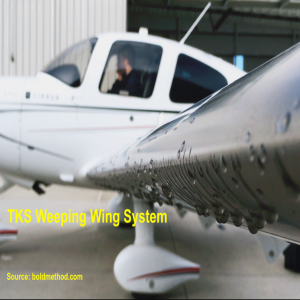
Included is a discussion of the TKS Weeping Wing system. They cover the benefits as well as the shortcomings.
Knowledge is power, and the Flight Safety Detectives want to empower every pilot with the latest insights on how to deal with icing as well as the details of relevant safety regulations.
Nov 17, 2021
Nov 17, 2021
55 min
Episode 94
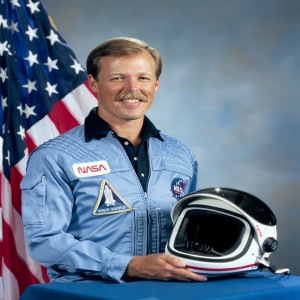
The conversation continues with Hoot Gibson. Gibson’s life in aviation started growing up and took him to the cockpit of Navy fighters, NASA space shuttles and many test and race aircraft.
Hoot, John, Greg and Todd cover the many unique experiences of Gibson’s career. His experiences and lessons learned offer every pilot key takeaways.
Hear Hoot narrate the experience of his five shuttle missions, including the handshake that ended the Cold War. Gibson is also known as the ambassador of model aviation and talks about the benefits of working with model aircraft.

Nov 10, 2021
Nov 10, 2021
52 min
Episode 93
Hoot Gibson is the special guest for this discussion of space safety lessons that benefit all aspects of aviation. Gibson is a five-time space shuttle crew member and a professional pilot. He shares his experiences to offer insights into the importance of scrutinizing even the smallest issues and the value of training in preparing for flights of all kinds.
Hoot, John, Greg and Todd discuss the commercial space program, including Blue Origin, Virgin Galactic and SpaceX. While NASA has looked closely at SpaceX before using it to transport astronauts, less is known about the safety protocols of the others.
“You can never do too much training,” Gibson shares as his motto. He shares how training at NASA and elsewhere has helped him handle the many anomalies he has experienced in flight.
The discussion covers safety lessons learned in space that translate to commercial and general aviation and vice versa.
Among his honors, Gibson was inducted into the U.S. Astronaut Hall of Fame and the National Aviation Hall of Fame. He has also earned several military decorations throughout his career.

Nov 3, 2021
Nov 3, 2021
51 min
Greg, John and Todd take a look at the NTSB report of a 2019 crash in Auburn Township, Ohio. They question the conclusion that the cause was spatial disorientation. Overall, the report lacks information to benefit air safety.
They explore additional factors worthy of more detail than is found in the report:
- “Getthereitis” despite poor weather
- Pilot’s heart health
- Poor decision making
- Aircraft maintenance history
They conclude that NTSB report does not represent the results of a thorough and methodical investigation. Many questions are left unexplored. The answers may offer important information related to air safety to benefit others.

Oct 27, 2021
Oct 27, 2021
44 min
Episode 91
Greg and John share takeaways from the recent National Business Aviation Association annual convention in Las Vegas. While there, they offered maintenance personnel a training session on the accident investigation process and the role they should play.
The convention has Greg and John focused on the future of avionics, automations and other technology in aviation. Changes are coming, for better or worse. Automations are increasing, potentially loosening the focus on the importance of pilot training and knowledge. That comes with potential risk to aviation safety.
They talk about the latest machines and technology on display at NBAA. Some interesting safety technology is poised to become available for general aviation use.
Bonus! Hear John and Greg’s frequent flyer tips for how to stay sane while traveling in these times of airline staffing shortages and other disruptions.
Oct 19, 2021
Oct 19, 2021
39 min
Episode 90
Don’t let an inadequate preflight inspection come back to haunt you. Simple issues can lead to serious accidents for general aviation pilots. Greg Feith, John Goglia and Jason Lukasik look at two accidents to show how preflight inspections can avoid crashes, injury and death.
A Piper Seneca crash was attributed to missing cotter pins on the landing gear. Photos shows even more visual evidence of maintenance issues that could have been caught before the plane took off.
A Cessna 172 accident appears to be the result of the fuel selector handle being reinstalled backwards. The owner-pilot was killed when he was drawing from tank with low fuel although he believed he selected the full tank. The NTSB investigation was unusually critical in the probable cause statement, citing “negligent maintenance.”
Small parts can lead to big accidents. Greg, John and Jason share their direct experiences to illustrate this point. “It is important to be really plugged in when an airplane is coming out of maintenance,” John says. Maintenance workers and pilots should inspect the work, ask questions, and do a careful inspection before taking off.
Oct 13, 2021
Oct 13, 2021
49 min
Episode 89
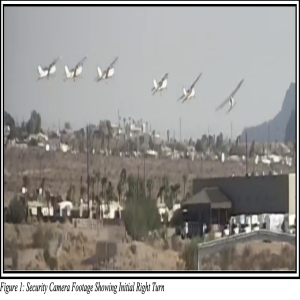
A Cessna 177RG Cardinal RG crash in September 2021 appears to be the result of poor maintenance and pilot error. Greg Feith, John Goglia and Jason Lukasik dive into key elements of the NTSB preliminary report. The oil analysis alone gives important insight into chronic engine maintenance issues that likely led to the crash.
The pilot was at Lake Havasu to get fuel for a flight to Reno. The pilot also performed maintenance there to replace the bushings on the nosewheel because he was experiencing a vibration on takeoff and landing.
Witnesses observed the airplane takeoff down the runway at a slow groundspeed and noted that the engine sounded rough. The plane crashed shortly after takeoff.
Flight Safety Detectives explore several elements in the preliminary findings that indicate shortcomings in preventative maintenance and annual inspections. They offer particular insight into the value of engine oil analysis and the many insights for engine maintenance.
Oct 6, 2021
Oct 6, 2021
1hr 42 min
Episode 88
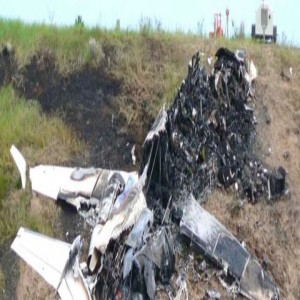
The Flight Safety Detectives offer a fresh analysis of the 2008 crash of a Lear Model 60 in Columbia, South Carolina. Travis Barker was one of two passengers who survived the crash that killed the flight crew and two passengers.
Crew performance issues started long before the aircraft started takeoff. Greg Feith, John Goglia and Todd Curtis share a minute-by-minute analysis. They uncover issues with operations, briefing inadequacies and crew actions.
They dissect known issues with the tires used on the aircraft. John shares his maintenance expertise to provide insight into pressure leak down issues and the unique stresses experienced by airplane tires. He shares signs of inadequate work done by the charter company maintenance department.
The National Transportation Safety Board report attributed the accident to tire bursts during take-off and the pilot's resulting decision to abort at high speed. This analysis also gives weight to the impact of loose operating procedures and pilot distraction or fatigue.